


Ecologists and conservationists are constantly trying to balance data accuracy, field efficiency, habitat impacts, and budgets. When the very act of collecting data can skew that data, or cause damage to the species you are trying to protect, preserving the natural world becomes even more challenging. Thankfully, non-contact technologies are proving transformative in assessing species health and population growth. Delivering precision and efficiency, thermal cameras allow rangers and researchers to collect reliable data while leaving habitats undisturbed. Thermography has already proven revolutionary to monitoring tree health, bat surveys, and red squirrel conservation. PASS Ltd is proud to support such projects by providing specialist thermal cameras and other non-contact instruments.
Quick Links
- Did you know PASS Ltd Supplies Ecology and Conservation Equipment?
- Why Choose PASS Ltd for Ecology & Conservation Thermal Cameras & Equipment?
- Further Information
Did You Know PASS Ltd Supplies Ecology and Conservation Equipment?
Through the supply of specialist equipment, PASS Ltd has had the privilege of supporting an array of conservation and ecology initiatives. For instance, we are proud to have provided thermal imaging solutions for bat research, tree thermography, and the protection of red squirrels. You can read about these successes below, along with several other application stories that illustrate the critical role thermal technology plays in ensuring the protection of animals and woodland. As demonstrated by the following case studies, thermal cameras improve the ease and efficiency of research and protection projects. They support both data integrity and animal welfare, enabling rangers and researchers to observe species clearly from a non-intrusive distance.
Discover Our Range of Specialist Equipment to Support Accurate, Non-Invasive Environmental Projects
Guide Develops TK612 Thermal Camera Specifically for Bat Surveys
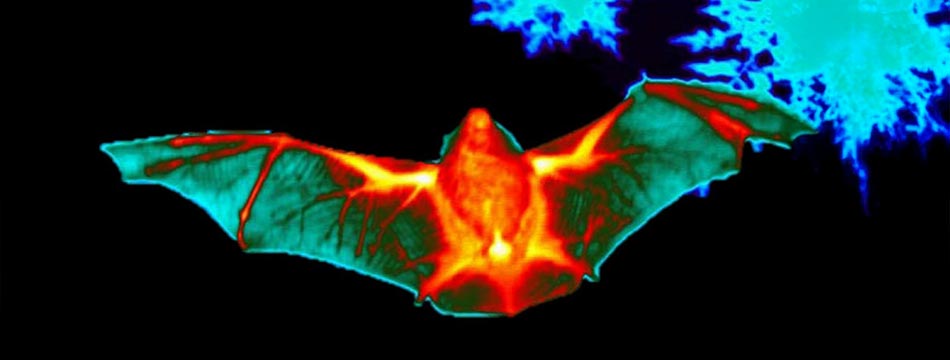
PASS Ltd worked with licensed ecologist Jean Oudney of Mytosis Bat Ecology to provide the perfect thermal imager for surveys. Jean needed a way to monitor bat habitats without causing disturbances. Her existing thermal scope, while delivering excellent IR images, had a field-of-view too narrow to capture the entire scene. Coordinating with Guide, PASS was able to source a thermal monocular with a wider field of view. This allowed Jean to monitor the protected bats from a non-intrusive but comfortable distance, and save time on analysing footage.
“I already own a 19mm Guide Track 19 and although I am very happy with its quality, its narrow field of view is a real drawback when surveying buildings as you need to position it really far back to get the whole side of the building in the frame - which is often impossible. I love how much of the building I can now get in the new 10mm scope [Guide TK612) and the [below] photos show a comparison between the two. [...]
[...] This will save so much time and money because I can use the wide angle to cover the same area that would need two cameras, and there is only one lot of footage to review - it's a game changer!”[7]
~ Jean Oudney, Bat Ecologist, Mytosis Bat Ecology.

PASS Provides Thermal Camera with Wide FOV for Bat Surveys
How Thermal Imaging is Helping to Save a Species
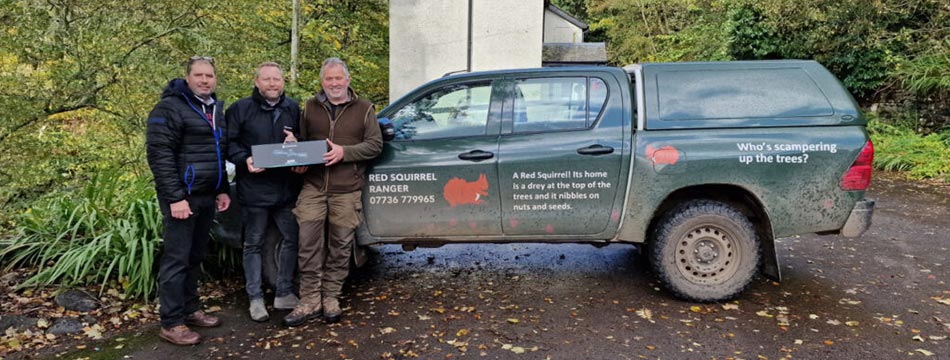
Penrith and District Red Squirrel Group use Hikmicro thermal monoculars, supplied by PASS Ltd, to monitor the Lake District's red squirrel population. The team faced challenges identifying and tracking squirrels in dense foliage. However, with the help of the thermal monoculars, they could observe red squirrels from a distance. Thermal imaging works by visualising IR energy, aka heat. As such, Hikmicro's thermal monoculars detect and depict the squirrels' body heat, allowing rangers to see them through the dense foliage and in the dark.
“Using the thermal camera, you can easily see from a distance without disturbing the wildlife, enabling me to observe behaviours and assess populations much more easily.”
~ Jerry Moss, Red Squirrel Ranger
Rangers Restoring Red Squirrel Populations Using Hikmicro Thermal Monoculars
Thermal Cameras Used to Monitor Tree Health
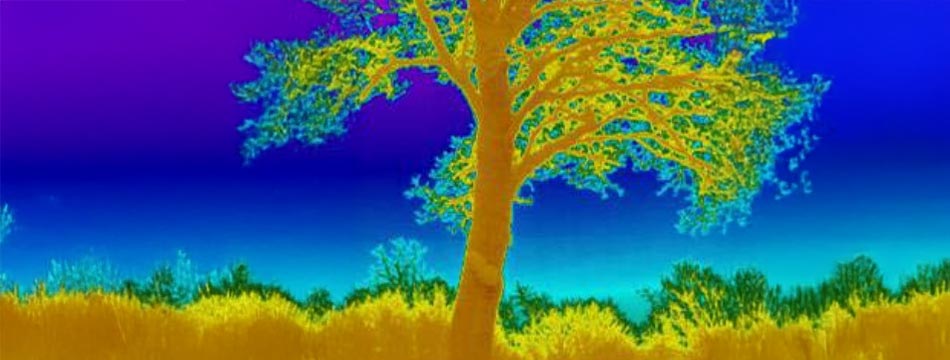
Previously, assessing tree health involved penetrating bark. This was time-consuming and only provided insights into one area of the trunk. Worse still, it left the tree open to disease. Tree thermography is a non-invasive, non-destructive method of monitoring tree health. Not only is it quicker, but it provides a holistic view of the tree's condition and eliminates pathogen transference. Working with a much-valued customer, PASS Ltd was proud to supply a thermal camera with a suitable thermal sensitivity and IR resolution for this purpose.
Tree Thermography: A Faster, Safer Method of Monitoring Trees
Thermal Imaging Technology Used to Tackle Wildfires
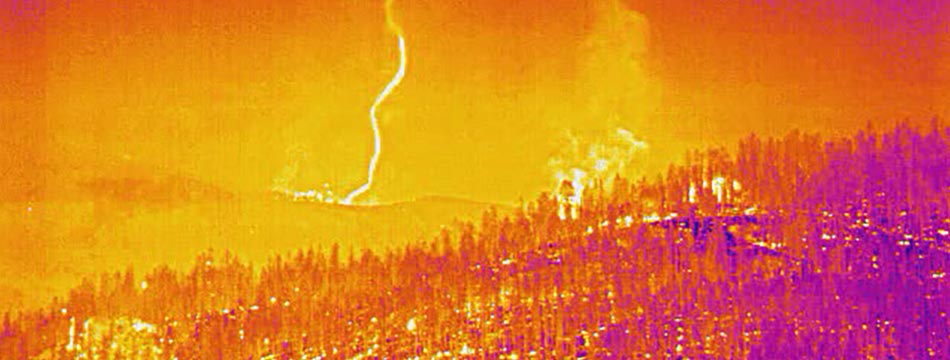
Relying on smoke or flames to detect and track forest fires is ineffective and dangerous. Thankfully, with thermal imaging, emergency services and forest agency can stop fires before they start. Thermal cameras allow responders to identify hotspots early, prevent ignition, and monitor wildfire spread accurately. This has proved invaluable when making informed decisions about where to deploy prevention and intervention teams.
- July 2022, German-Czech Border: police used thermal cameras to spot pockets of embers, and subsequently direct fire fighting efforts to pre-empt further disaster, and avoid fatalities.
- July 2022, Sherwood Pines, UK: firefighters used thermal cameras to check all hotspots had been extinguished, ensuring there was no possibility of re-ignition and that it was safe to leave the scene.
- Alta Murgia Park in Puglia, Italy: Puglia's Regional Agency for Irrigation and Forest Activities (ARIF) implemented a Teledyne FLIR thermal imaging system to pinpoint hotspots before smoke and flames were visible. As a result, teams could prevent fires before they started. The ARIF also uses the system to predict the propagation of infernos, enabling responders to douse fires quickly and effectively, minimising damage to wildlife.
Forest Fires Felled Using Thermal Imaging
Thermal Imaging Senses Stress in Penguins & Reindeer
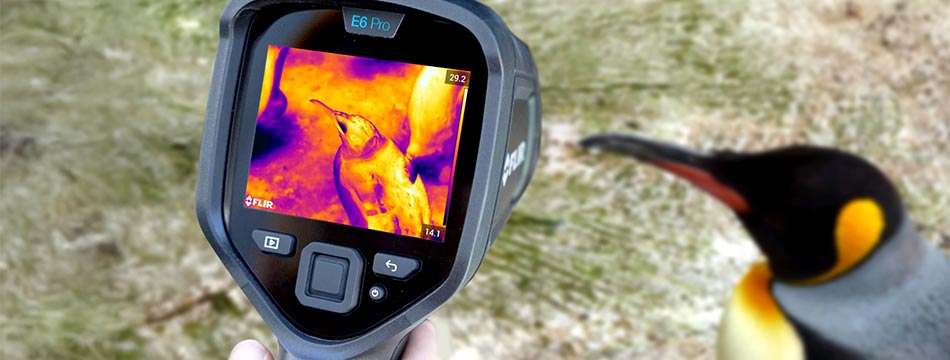
Traditionally, assessing animals for stress involved collecting blood or saliva. However, these tests could themselves induce anxiety, thereby compromising data integrity. Recent scientific research has proven that thermal imaging is an effective non-invasive method of monitoring wild animals for stress, as illustrated by research conducted on King Penguins in the Baie Du Marin in Crozet, and published in the Journal of Thermal Biology.
Stress redirects blood flow to organs essential for fight or flight. In penguins, this increases temperatures around the brain and eye, while less vital body parts, such as the beak, cool. Thermal cameras capture these changes from a safe, non-intrusive distance, supporting animal welfare and data integrity. Consequently, researchers hope thermography will enable them to study the stress effects of habituation to humans, tourism, and heat waves on penguins.
Research Reveals Thermal Imaging Can Detect Stress in Animals
Why Choose PASS Ltd for Ecology & Conservation Thermal Cameras & Equipment?
25 years ago, PASS Ltd began by providing electrical testers to the trades. However, as our offering grew to incorporate thermal cameras, environmental testers, and tools, we became aware of the potential this equipment had to improve ease, efficacy, and precision across a range of sectors, including ecology and conservation. This eclectic product portfolio, combined with our expert advice and excellent customer service, has enabled us to support an array of wildlife projects through the supply of specialist equipment.
At PASS Ltd, we stock products from leading manufacturers, such as Guide, Hikmicro, Fotric, ETI, Kern, and Wϋlf, at various price points, ensuring you can source the tools you need without overspending. Below are just some of the solutions we offer that will help you deliver accurate data quickly while minimising impacts on habitats and budgets.
Thermal & Acoustic Imaging Cameras – See in the Dark
Especially useful when monitoring nocturnal animals, like bats, or creatures living in dense foliage, thermal and acoustic cameras allow you to identify and track fauna based on body heat or sound. Thermal cameras have also been used to monitor tree health and identify signs of stress in wild animals.
Wide-angle lenses allow you to view the entire scene from a safe and covert distance, ensuring you do not disturb colonies or cause undue stress to animals.
Ecology Thermal & Acoustic Cameras
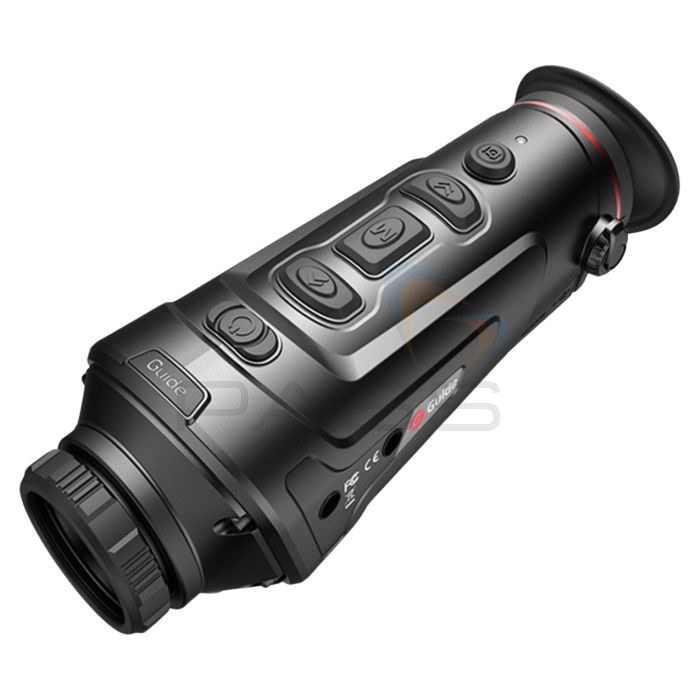 Guide TK612 Gen2 Thermal Imaging Monocular - Optional Ecology Kit
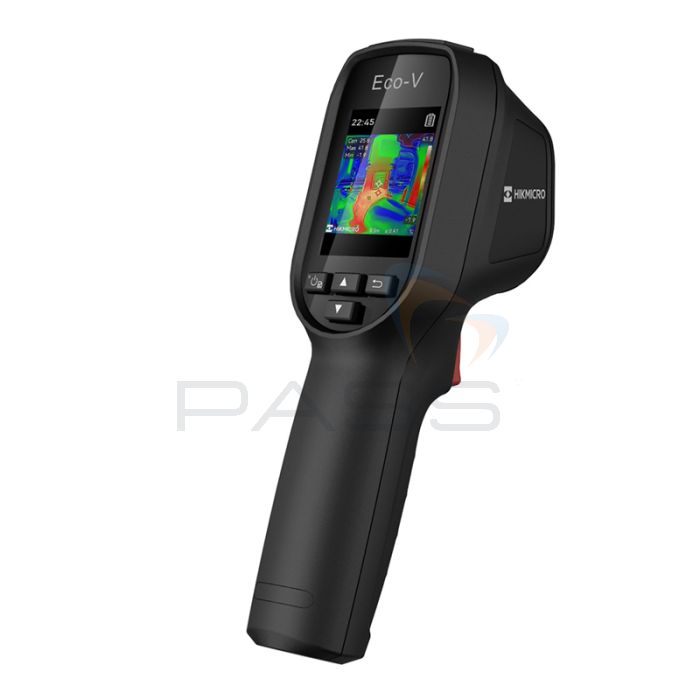
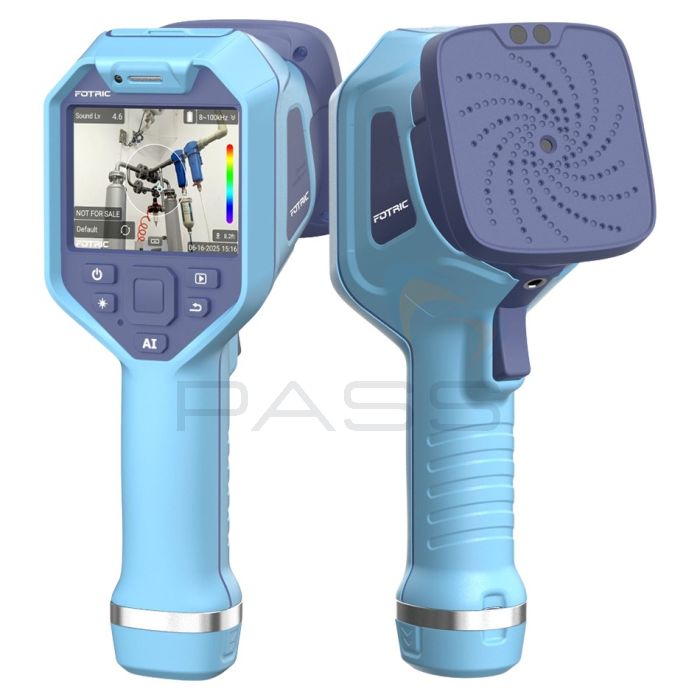
Discover the Best Thermal Cameras for Ecologists & Wildlife Conservation – Read Our Buying Guide
Binoculars & Scopes – Survey at a Safe Distance
Designed specifically for ecology applications, these rugged and waterproof Wϋlf binoculars and scopes are ideal for birdwatching, wildlife observation, and environmental surveys. To this end, they offer a wide field of view. Additionally, powerful magnification functions allow you to zoom in on specific targets while retaining a detailed image and remaining at a safe distance.


Inspection Cameras – See Inside Habitats
Ridgid borescopes are micro-inspection cameras that allow you to see inside small cavities. Capture images and videos of animals within their habitats without causing disturbance, and/or use these cameras to assess the health of trees via holes in their bark.


Environmental Testers – Gather Data in the Field
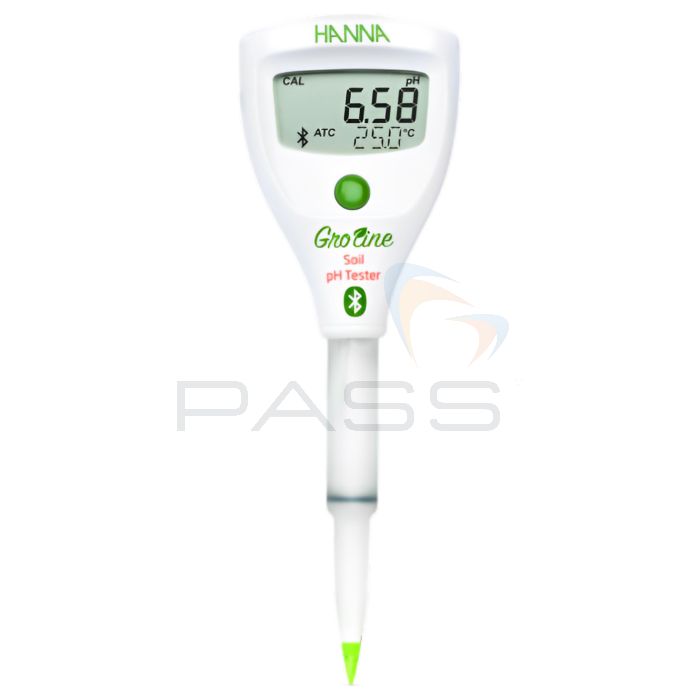
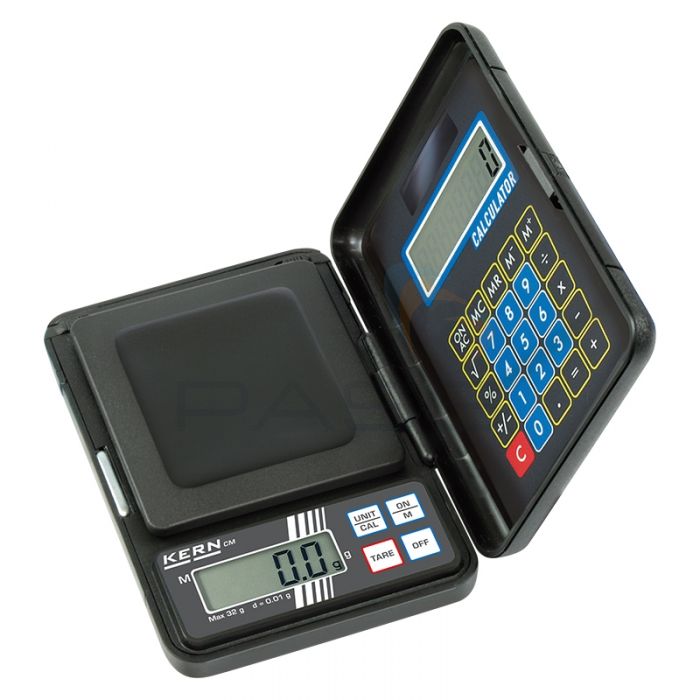
ETI, Kern, and Hanna instruments help you to limit impacts on habitats and save time by collecting data in the field without removing specimens.
Tools & Torches – Meet the Challenges of Wild Environments
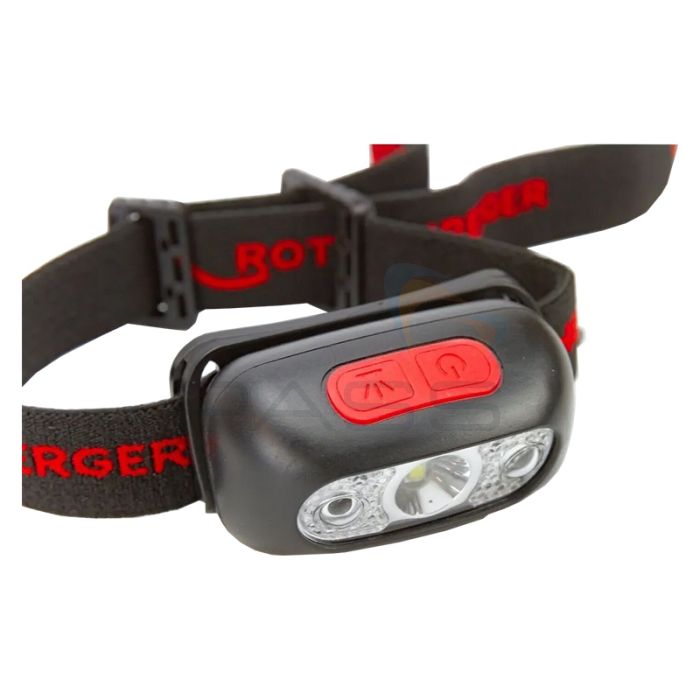
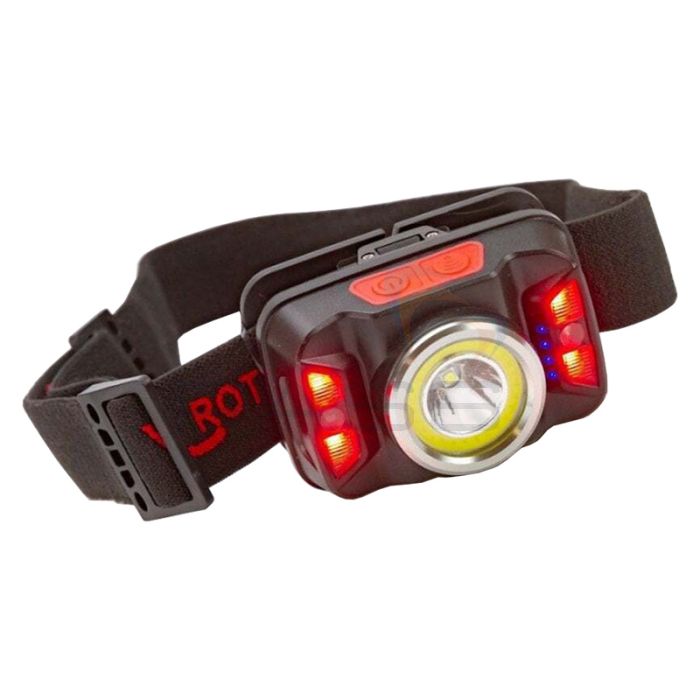
Reliable lighting and portable power ensure researchers and rangers can continue monitoring species safely, even in low light or remote locations.


Further Information
For additional help or advice regarding any of our ecology products, thermal cameras, testers, or tools and their potential for environmental applications, please don’t hesitate to contact our Sales team on 01642 931 329 or via our online form.
In the meantime, you can browse our eclectic range of instruments online at tester.co.uk
Explore Our Range of Specialist Equipment to Support Accurate, Non-Invasive Ecological Research
