We’ve all donated unused electrical goods to charity shops, hoping that someone else might get more use out of them than we did, and raise some money for a good cause at the same time. However, what many of us may not realise is that charities are required to check electrical equipment is safe before it can be resold. That’s why this National Volunteer Week, we’re choosing to celebrate the unsung heroes of charity shops: PAT specialist volunteers. Without these skilled individuals, charity shops would be unable to accept donations of electrical equipment, thereby denying themselves a critical source of fundraising, and potentially leading to more goods ending up in landfill.
Meet Mark: Oxfam’s Darlington-based PAT Volunteer Raising Thousands
Mark Bush, 55, is one of over a hundred volunteers giving their time to the Darlington Oxfam shop.[1]He and fellow volunteer Gerry Lucas spend their hours PAT testing mountains of donated electrical goods, such as radios, vacuum cleaners, toasters, and trouser-presses, to name just a few.
In verifying the safety of this equipment, Mark and Gerry ensure it can be sold in Oxfam’s Darlington shop. Their efforts generated over £6500 last year. Money that will go towards Oxfam’s mission to fight global poverty. Remarking on their extraordinary achievement, Mark says:
“It makes you feel really good to think that you’re doing something you enjoy while raising money for a brilliant charity at the same time.”[2]
~ Mark Bush
Born in Singapore, but raised in Blackpool, Mark moved to Darlington in 1996. Over the years, he has worked as a maintenance engineer for a taxi firm, a welder, and an electrician. However, finding himself out of work in 2024, he went along to the Darlington Volunteering Fair at The Dolphin Centre. Here, he met Rachel Parry, manager of the Darlington Oxfam Shop, who revealed the scale of their electrical appliances backlog:
“Rachel told me there was an attic full of electrical appliances that had been donated, but they needed a PAT tester to make sure they were safe before they could be sold.
I’d never thought about it but decided to give it a go, and here am I – it was the best move I ever made.”[3]
~ Mark Bush
After undertaking PAT training, Mark started at Darlington’s Oxfam shop in July 2025, volunteering on Mondays and Fridays, 10 am – 5 pm. Reflecting on his role as a volunteer PAT specialist, Mark explains
“It gives me so much. I’ve developed new skills, boosted my confidence, and found an extended family made up of lovely people.”[4]
~ Mark Bush
Why do Charity Shops Need PAT Specialist Volunteers?
As illustrated by Mark’s story, volunteer PAT specialists, though often unseen, are essential for charitable fundraising. They also play a critical role in maintaining legal compliance, shop safety, and insurance validity.
Fundraising and Legal Compliance
According to the General Product Safety Regulations 2005 and the Electrical Equipment (Safety) Regulations 2016, charity shops, as distributors, have a responsibility to ensure every product they sell, including second-hand electrical items, is safe to use. PAT testing isn’t legally specified; however, many organisations regard it as the easiest and most effective way to verify electrical appliance safety. Consequently, volunteers trained in PAT testing play an essential role in managing donations, ensuring their safety, and enabling charities to resell them for fundraising.[5]
Maintaining a Safe Environment
PAT volunteers don’t just protect customers from buying faulty equipment and, thereby, shield the charity from legal ramifications; they also ensure a safe and smooth working environment. Verifying the safety of charity shop equipment, for example, kettles, tills, heaters, and lighting, reduces the risk of electric shocks and fires. Moreover, ensuring the safe functionality of critical equipment reduces the likelihood of disruptions caused by faults, allowing charity shops to maximise fundraising during opening hours.[6]
Ensuring Insurance Validity
Many commercial insurance policies require proof that organisations regularly safety-test their electrical equipment. Although policy terms may not specifically state PAT testing, insurers and safety professionals generally consider it the best way to meet these requirements. Maintaining insurance validity is essential for any commercial venture, should an electrical incident occur, but this is doubly important for charities where every penny means more. Consequently, volunteer PAT specialists are vital to both generating revenue and preventing substantial losses resulting from breached insurance terms.[7]
How Can You Become a Volunteer PAT Specialist?
To becomes a PAT volunteer you do not need any official qualifications. Still, charities will often require that you can prove competency. Many volunteers find that the best and easiest way to do that is to enrol on a PAT course, such as those outlined below, and gain a certificate of competency.
PAT Testing Competency Course
Combining theory and practical learning, this one-day course equips volunteers with the skills necessary to test and inspect electrical equipment in accordance with UK regulations. This programme is ideal for charities wishing to bring PAT testing in-house. The PAT Testing Competency Course will teach you how to:
Identify the legal requirements and responsibilities involved in PAT testing
Understand Class I and Class II appliance testing protocols
Carry out visual checks and basic electrical tests using a PAT tester
This City & Guilds-accredited PAT course combines theory and practical learning to give you an in-depth understanding of portable appliance testing. Complete beginners and experienced PAT specialists looking to refresh their skills will benefit from this course. Attendees will learn to:
Confidently inspect and test Class I and Class II electrical equipment
Understand legal frameworks and the IET Code of Practice
Complete and interpret documentation accurately, including risk-based testing schedules
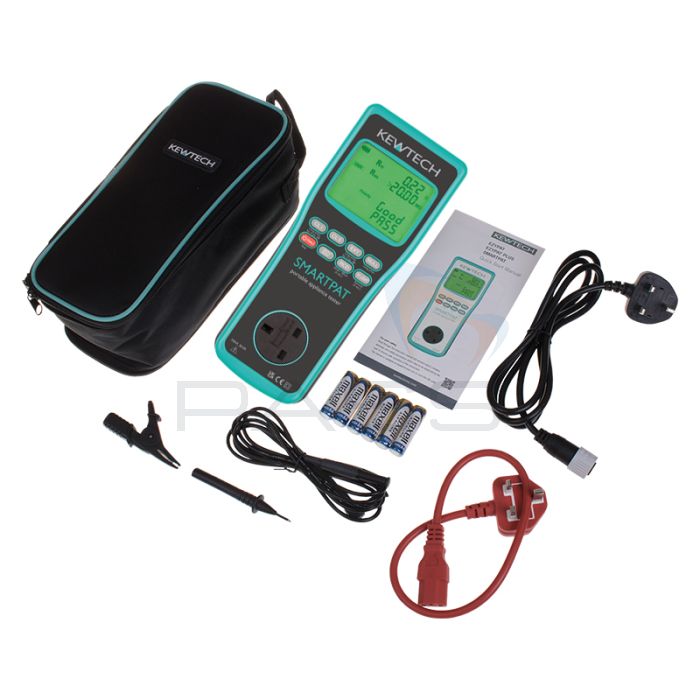
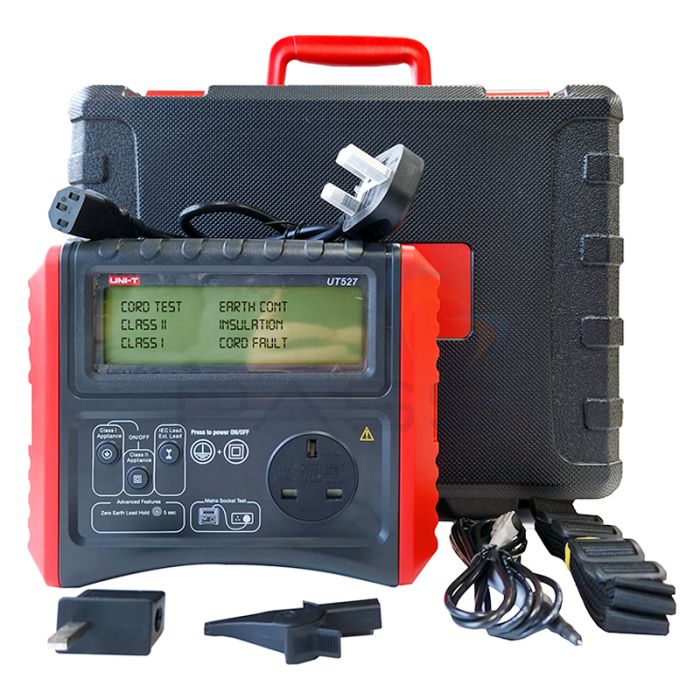
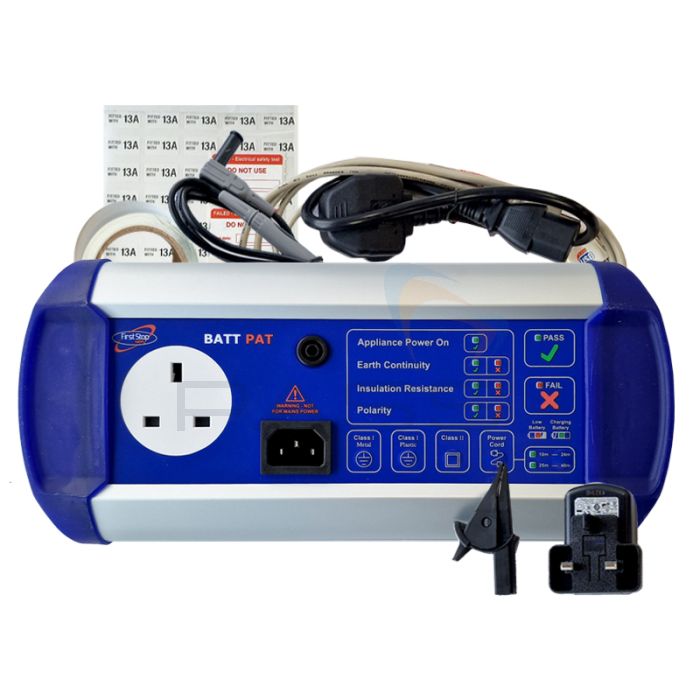
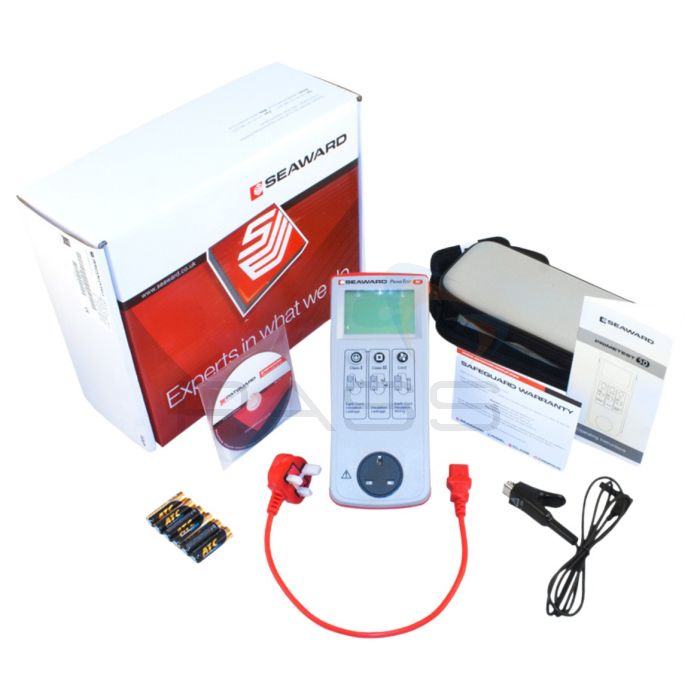
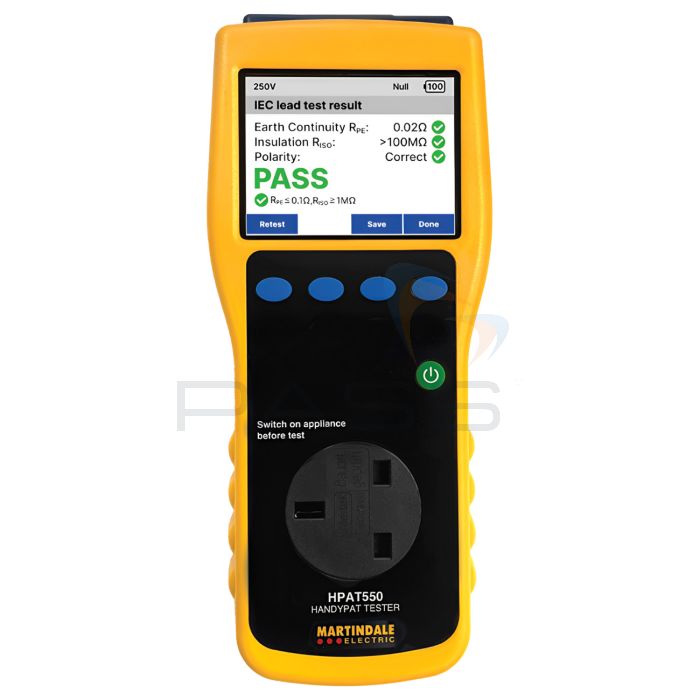
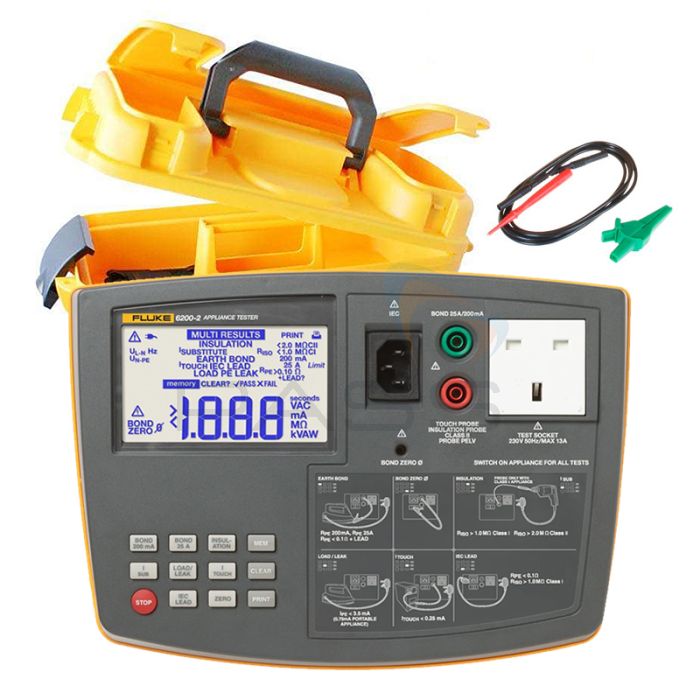
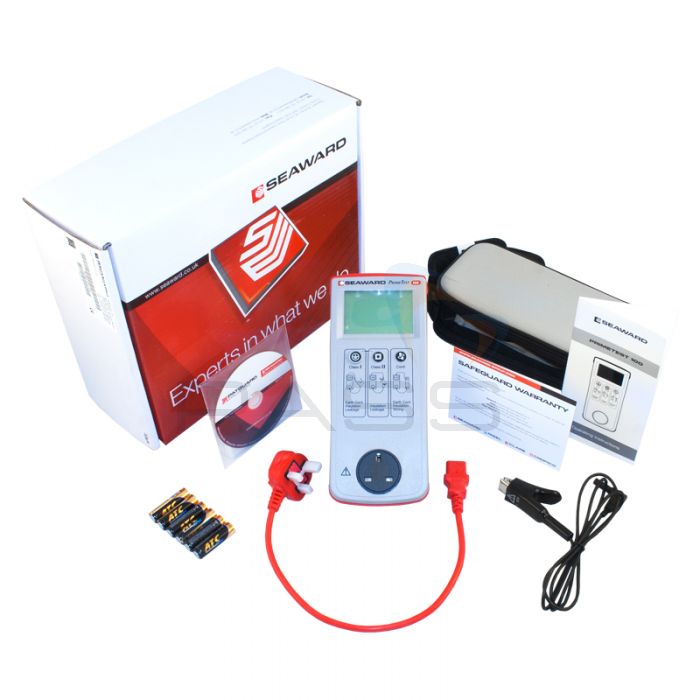
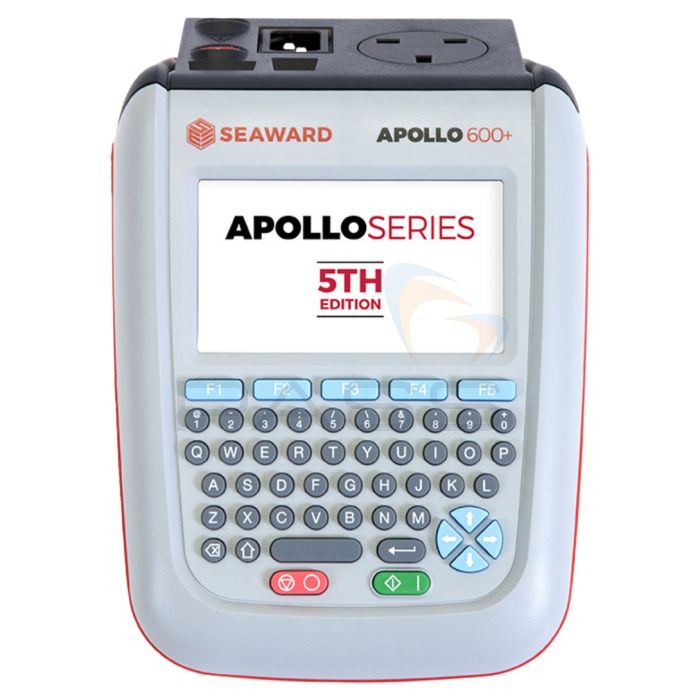
Once charities have their PAT specialist volunteers, they need to choose an appropriate PAT tester; i.e., an instrument that can cope with the volume and types of donations. This will vary from shop to shop. However, some PAT testers favoured by charities, include PASS/Fail, Manual, and Downloadable models.
PASS/FAIL PAT Testers
Ideal for those testing a few appliances of the same type, these PAT testers simply display whether the equipment has passed or failed.
Perfect for low-volume testing, these portable PAT testers will perform an array of tests and display the results. However, they will not record the readings. Users must make a note of values manually.
Typically designed for professional PAT testers and electricians, downloadable PAT testers automatically record results. Some charities favour these models as they can be used to test vast numbers and types of electrical appliances.





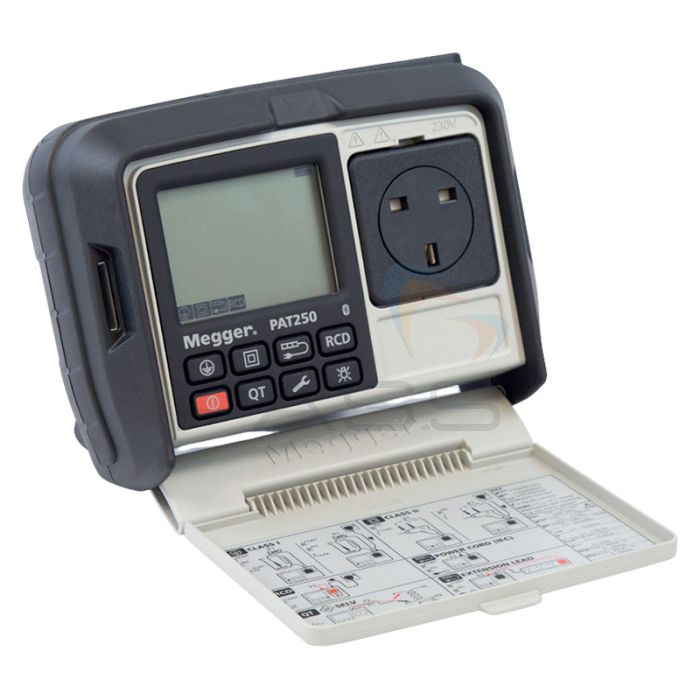 Megger PAT250 PAT Tester with CertSuite, Bluetooth & Rechargeable Option