

High Voltage Indicators & Detectors
Offer

£523.00
£627.60 inc. vat
- Fast response time
- High Impact ABS body
- Shock & drop resistant
Offer

£523.00
£627.60 inc. vat
- Blue, yellow, green & white detectors
- Multiple voltage ratings
- Multiple threshold configurations
Offer

£523.00
£627.60 inc. vat
- Non-Contact Type
- Capacitive Coupling
- 2/11kV Range and 100V Threshold
Offer

£523.00
£627.60 inc. vat
- Red/Red
- Multiple ranges
- Non-Contact Type / Capacitive Coupling
Offer
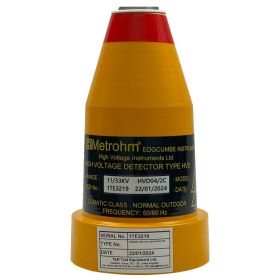
£792.00
£950.40 inc. vat
- Multiple models available
- Self-test facility
- High Impact ABS body
Offer
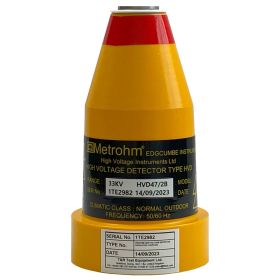
£834.00
£1,000.80 inc. vat
- Y-shaped electrode
- 100mm probe assy
- Yellow or blue models
- Bowthorpe adaptor
Offer
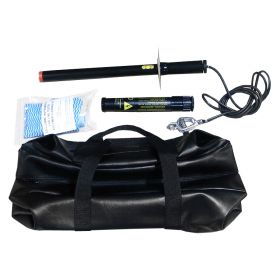
In Stock : Get It Next Working Day*
£841.00
£1,009.20 inc. vat
- Detects voltages between 200V and 15kV
- Indicates voltages via flashing neon lights
- Suitable for ensuring the safety of maintenance and installation personnel
Offer

£870.00
£1,044.00 inc. vat
- 6.6/33kV Range and 1.2kV Threshold
- High Impact ABS body
- -25°C to +55°C operating temp range
- Shock & drop resistant
Offer
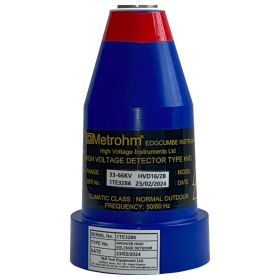
£898.00
£1,077.60 inc. vat
- Y-shaped electrode
- Star wheel adaptor
- Bowthorpe adaptor
- Orange carry case
Offer
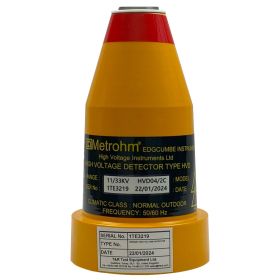
£900.00
£1,080.00 inc. vat
- Y-shaped electrode
- Universal adaptor
- Bowthorpe adaptor
- Orange carry case
- Accessory bag
Offer
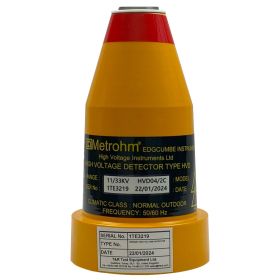
£1,004.00
£1,204.80 inc. vat
- Y-shaped electrode
- 40mm hook
- Bowthorpe adaptor
- ABS Carry case
- 2-section telescopic pole
Offer
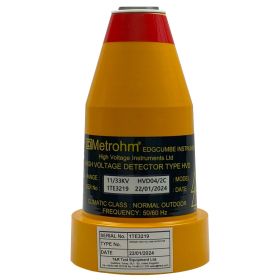
£1,096.00
£1,315.20 inc. vat
- 250mm probe
- Bowthorpe adaptor
- 40m hook
- Carry sachel
- Proving unit
Offer
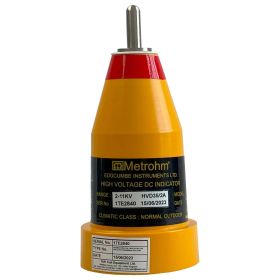
£1,160.00
£1,392.00 inc. vat
- Straight electrode
- Carry bag
- Proving unit
Offer
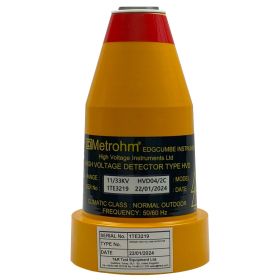
£1,160.00
£1,392.00 inc. vat
- High Voltage Tester
- Straight electrode
- Proving unit
Offer
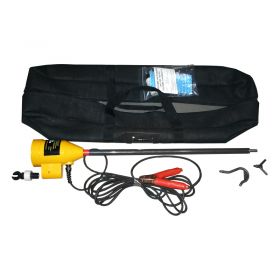
Stock Due : Estimated 1-2 Weeks
£1,259.00
£1,510.80 inc. vat
- For use on overhead high voltage DC lines
- 1500V model
- Audible and visual alerts of voltage presence
Offer
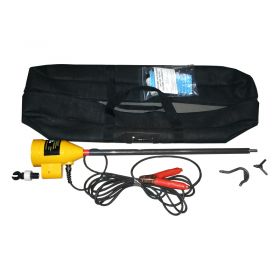
£1,259.00
£1,510.80 inc. vat
- For use on HV systems up to 750V DC
- Hooks onto overhead lines
- Audible and visual indicators
Offer
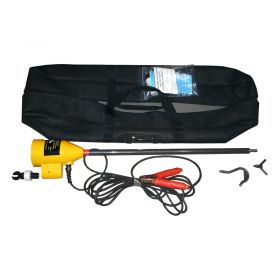
£1,259.00
£1,510.80 inc. vat
- Detect the presence of voltage on HV systems
- For use on DC systems up to 3000V
- Long length handles for easy access to HV lines
Offer
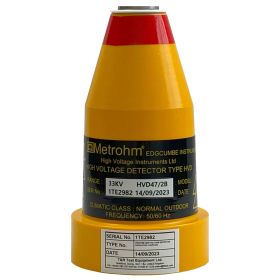
£1,287.00
£1,544.40 inc. vat
- 250mm probe assy
- Straight electrode
- Proving unit
Offer
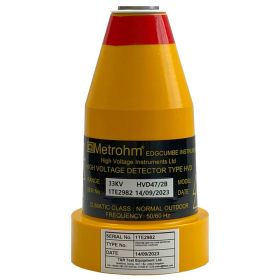
£1,287.00
£1,544.40 inc. vat
- 250mm probe assy
- Straight electrode
- Proving unit
Page 1 of 1
About High Voltage Indicators & Detectors
The best warning for an electrician of a hot power line is a high-voltage indicator. Other devices relying on secondary power sources or subject to protective measures such as fuses can give false positive readings because they are not working as a direct result of the electricity in the lines. A high-voltage indicator is very simple and very effective.
Most high-voltage indicators are simple circuits. They consist of a connector attached to a bus bar in the supply cabinet, and a light-emitting diode inside of a small housing with a window to view the light. The LED may or may not flash, but its illumination lets an electrician know the line is powered and must be shut off before work.
A voltage detector is a device that determines the presence or absence of an electrical charge in an object. It can be a simple, pen-shaped piece of testing hardware that indicates the existence of electricity or an advanced tool that detects precise voltage levels in electrical systems.
A voltage detector measures the flux lines of the electric field formed between the earth's potential and a live component of the system.
