

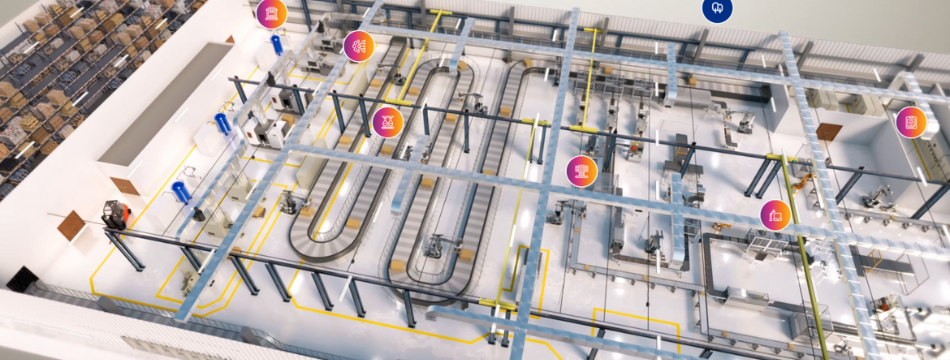
Preventive and predictive maintenance are becoming increasingly important within the manufacturing sector. Permitting equipment to run to failure is no longer viable in today’s demanding industrial sector, centred on high-output, just-in-time manufacturing. However, it is one thing to know the value of preventive and predictive maintenance and another to implement effective strategies. To help, FLIR has compiled a list of eleven predictive and preventive maintenance tips that will help you avoid downtime in manufacturing.
Quick Links
- Reasons for Preventive & Predictive Maintenance
- FLIR’s 11 Predictive & Preventive Maintenance Tips For Manufacturing
- Tip 1: Protect Your Workforce
- Tip 2: Ensure Energy Efficiency
- Tip 3: Optimise Operations
- Tip 4: Protect Productivity
- Tip 5: Prevent Critical Incidents Through Early Response
- Tip 6: Conserve Compressor Systems
- Tip 7: Ensure Cost-Efficient Electrical Panels
- Tip 8: Maintain Conveyor Belts, Motors, and Presses
- Tip 9: Preserve Pneumatic and Hydraulic Systems
- Tip 10: Monitor Motor Control Cabinets
- Tip 11: Regulate Electrical Rooms
- Further Information
Reasons for Preventive & Predictive Maintenance
Predictive and preventive maintenance offer effective methods for detecting problems early. Identifying and monitoring faults in their infancy allows maintenance teams to enact repairs before issues become too costly or result in catastrophic failures detrimental to productivity and profits.
There are numerous advantages to preventive and predictive maintenance. You can get a full breakdown of all these benefits, as well as definitions of predictive and preventive maintenance and the differences between them, in our article: Unlocking FLIR’s Manufacturing Advantage: Transform Predictive & Preventive Maintenance.
Meanwhile, the following table outlines just some of the key reasons for preventive and predictive maintenance.
| Advantage | Preventive Maintenance | Predictive Maintenance |
| Eliminate unplanned downtime | ✔ | ✔ |
| Limit downtime to scheduled periods | ✔ | ✔ |
| Spot problems earlier | ✔ | ✔ |
| Reduce repair/replacement costs | ✔ | ✔ |
| Improve equipment longevity | ✔ | ✔ |
| Optimise energy efficiency | ✔ | ✔ |
| Maximise uptime as tools gather data during regular operations | ✔ | |
| Improve productivity | ✔ | ✔ |
| Improve profitability | ✔ | ✔ |
FLIR’s 11 Predictive & Preventive Maintenance Tips For Manufacturing
As outlined above, understanding the value of preventive and predictive maintenance and implementing effective strategies are two separate things. FLIR makes a similar point, writing:
“There is no doubt that automated technology and software are reshaping industries with smarter, faster, and more connected systems. However, to truly deliver benefits, simply deploying technology is not enough. Manufacturers need to maintain and consistently [optimise] the benefits of technology.”[1]
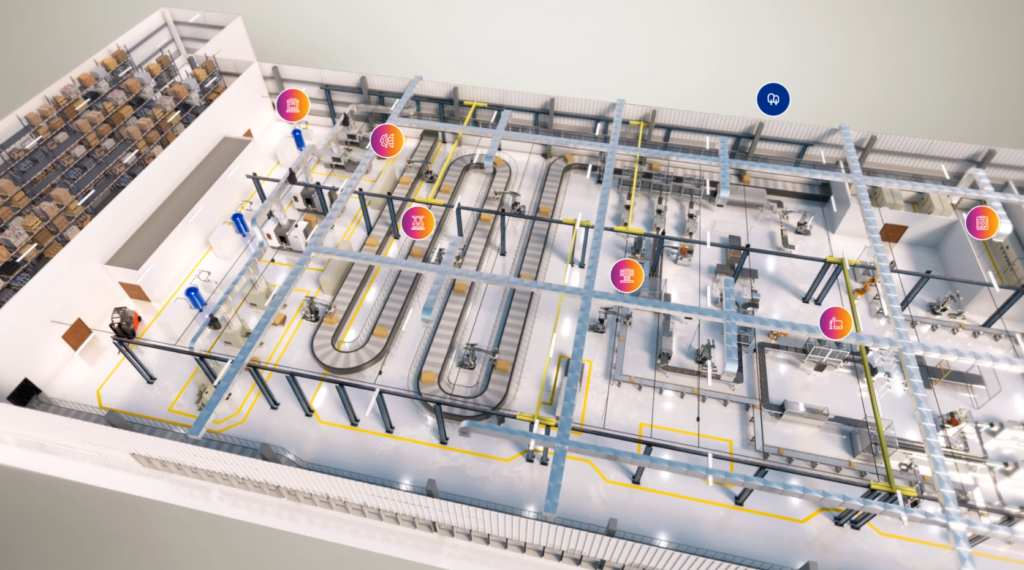
To illustrate this and provide pointers on how to maximise the impact of preventive and predictive maintenance measures, FLIR has created an online platform. Through this platform, you can explore a typical manufacturing plant and access explanations detailing where maintenance measures might be implemented to optimise site efficiency and uptime.
Below, we outline the eleven predictive and preventive maintenance tips highlighted in FLIR's simulation.
Access FLIR’s Explore Manufacturing Impact Simulation

Tip 1: Protect Your Workforce
Equipment failures don’t just negatively impact productivity and profit. They can also result in serious injuries and regulatory fines. To protect staff against fires, electric shocks, and poor air quality, FLIR recommends installing an advanced safety system with real-time hazard detection and automated alerts.
In prioritising employee well-being and lowering accident rates, manufacturers reduce stress and boost morale, thereby improving productivity and maintaining compliance with health and safety regulations.
Read More About Protecting Your Workforce
Tip 2: Ensure Energy Efficiency
Energy inefficiency resulting from compressed air leaks or faulty equipment is both economically and environmentally costly. In addition to high operational expenses, energy inefficiency can do significant reputational damage, result in the loss of tenders, and land you with regulatory penalties.
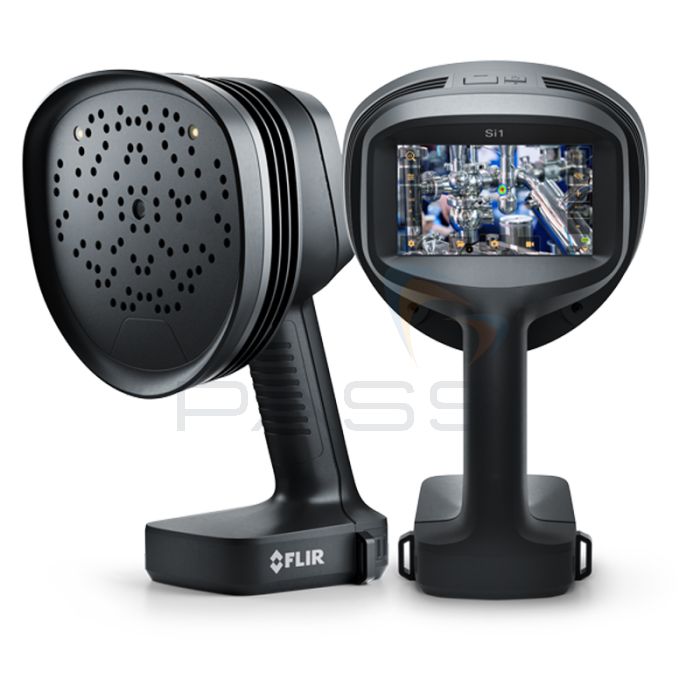
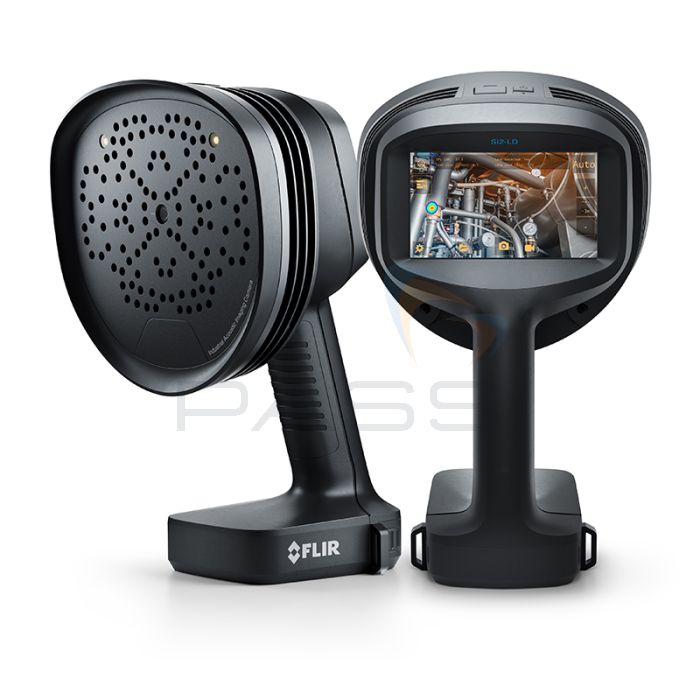
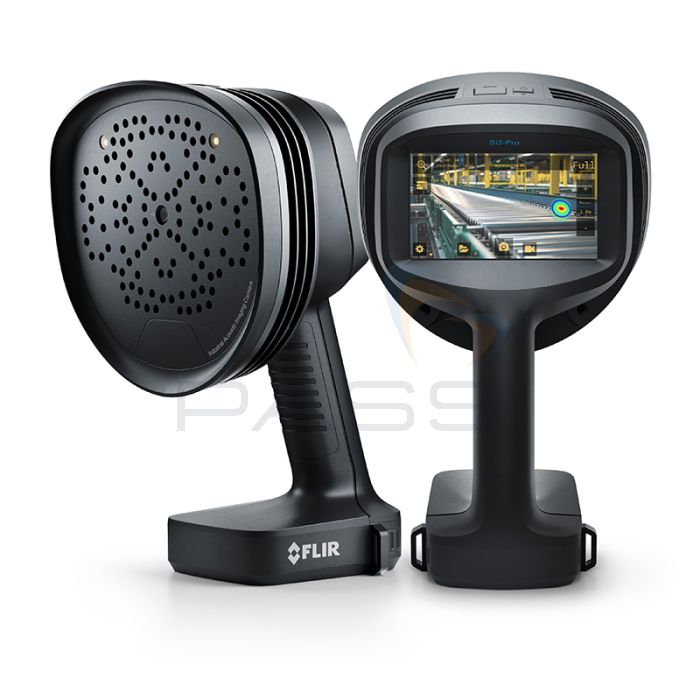
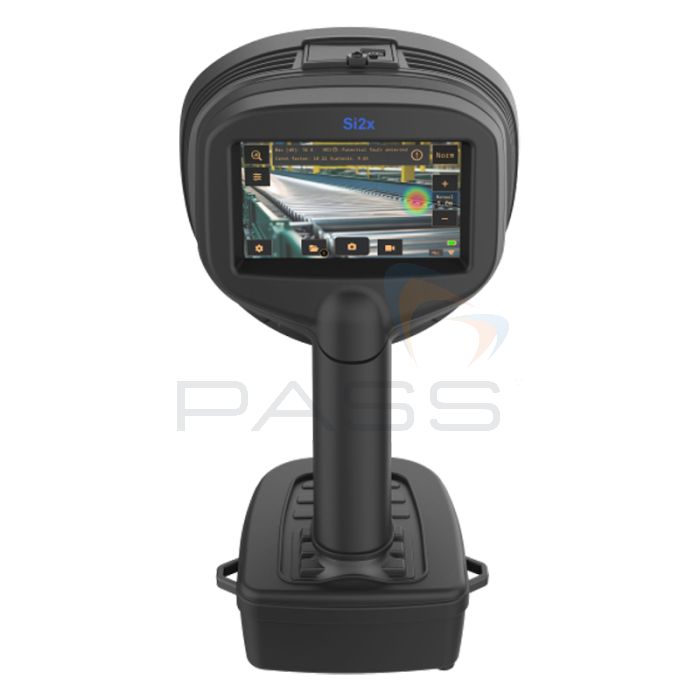
Acoustic imagers can be used to find faults, leaks, and/or areas of energy inefficiency. This allows you to address issues quickly and optimise energy consumption across operations.
Read More About Ensuring Energy Efficiency
FLIR Si Series Acoustic Cameras
 FLIR Si124-LD Plus Industrial Acoustic Imaging Camera – Leak Detection
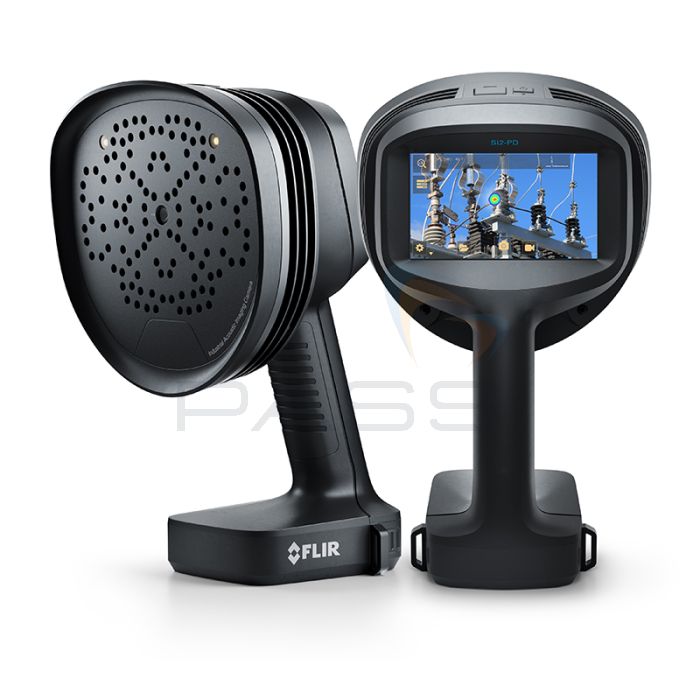 FLIR Si2-PD Industrial Acoustic Imager – Partial Discharge
Tip 3: Optimise Operations
Challenges in recruiting and retaining manufacturing staff mean it is even more crucial to ensure equipment is working seamlessly. Optimised machinery can help to bridge the skills gap, lower the risk of errors, ensure smooth operations, and increase productivity.
FLIR recommends integrating advanced thermal imaging technology and utilising asset maintenance workflows to ensure automated and intuitive condition monitoring, deliver consistent high-quality data, and coordinate thermal inspections.
Read More About Optimising Operations
Tip 4: Protect Productivity
Equipment failures can lead to production disruptions, missed deadlines, unexpected supply chain fluctuations, reputational damage, and, ultimately, business loss. However, thermal and acoustic imaging, when employed as part of predictive monitoring schedules, can help manufacturers operate at full capacity while mitigating the risks of asset failure and production issues.
In using thermal cameras and acoustic imagers to identify issues in real-time, you can catch and address problems early before they escalate. This allows you to maintain uninterrupted production cycles, deliver consistency and quality, protect brand reputation, and strengthen customer loyalty. All of which contributes to a more profitable business.
Read More About Protecting Productivity
Tip 5: Prevent Critical Incidents Through Early Response
Machinery failures, hazardous spills, and fires, particularly battery fires, which release toxic gases, are all critical incidents that pose serious risks to workers as well as the surrounding community and environment. Often, dangerous incidents such as these result in legal penalties, financial losses, and, worst of all, reputational damage.
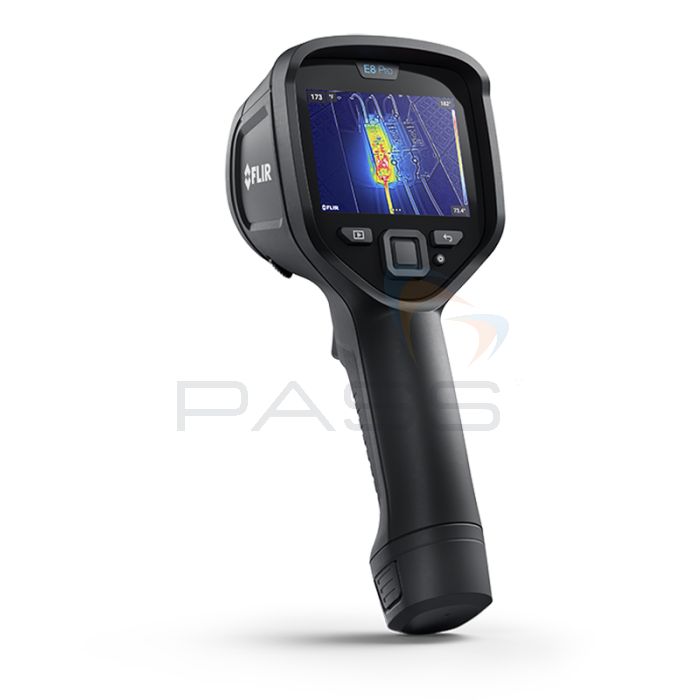
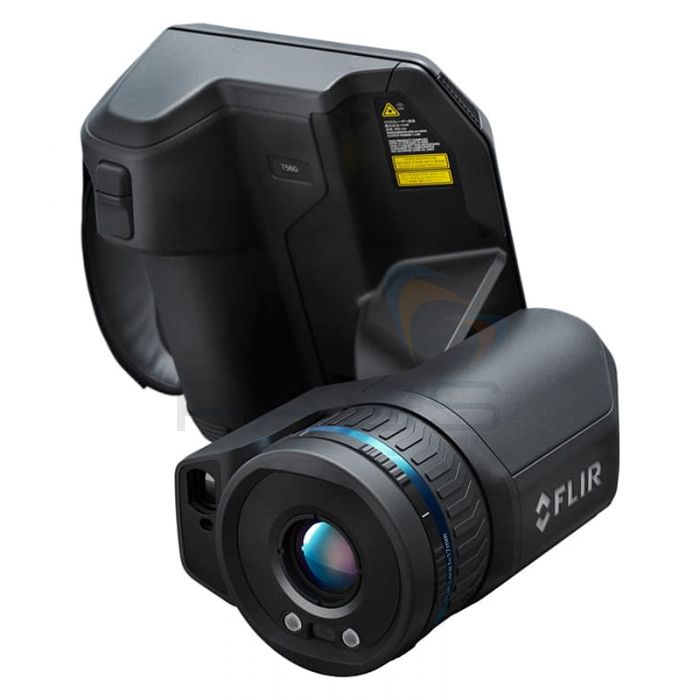
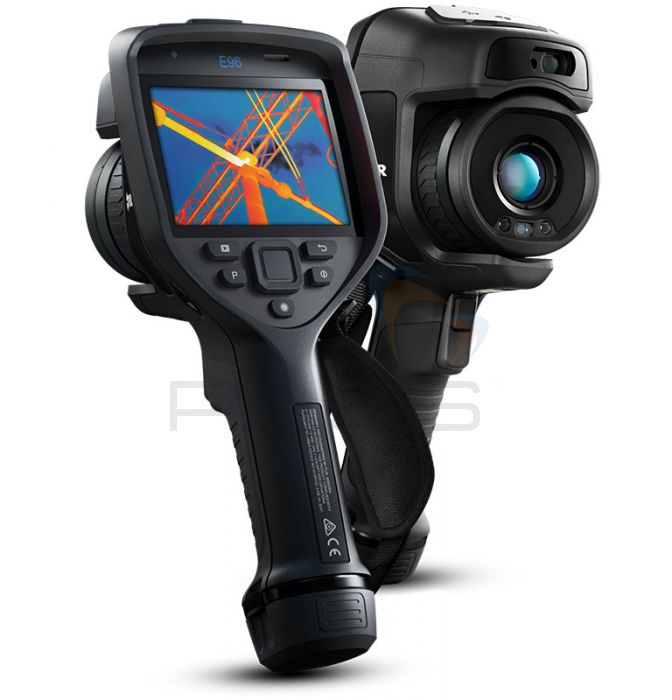
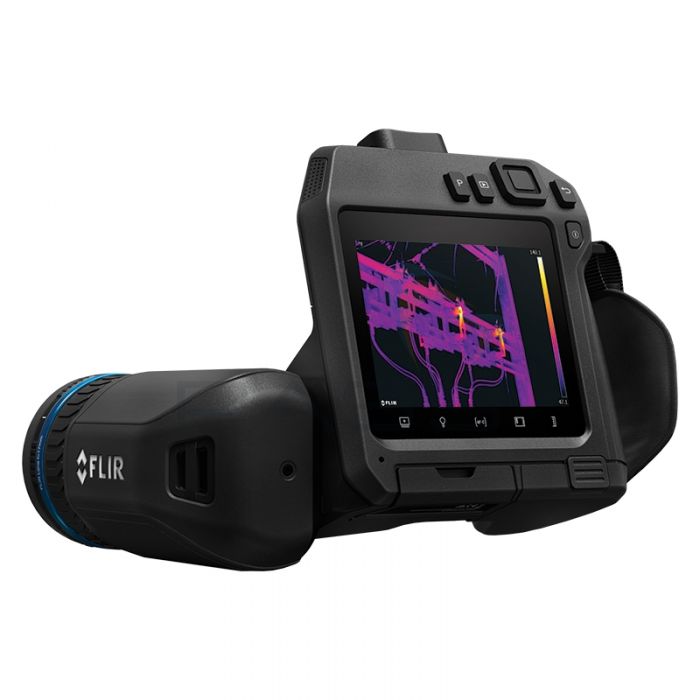
Once a fault has reached this dire stage, it is usually too late to correct. However, early detection methods and real-time monitoring solutions, such as thermal cameras, can be used to pinpoint problems in their infancy before symptoms become visible. For instance, thermal imaging cameras/systems can identify overheating equipment, gas leaks, and the first signs of fire. Finding faults early means they can be addressed promptly, thereby mitigating operational and environmental risks.
Read More About Preventing Critical Incidents Through Early Response
Tip 6: Conserve Compressor Systems
Energy-intensive equipment, like a compressor system, generates a lot of heat during operation. However, if motors and bearings overheat, this could lead to irreversible damage, which, in turn, might cause downtime, extortionate repair costs, and missed deadlines.
Both thermal and acoustic imaging have a role to play in maintaining compressor health. Acoustic cameras quickly identify air leaks in the exhaust and intake systems, while thermal imaging can detect abnormal temperature spikes that may be indicative of friction, poor cooling, electrical failure, or overloading. Consequently, thermal cameras enable facilities to avoid unnecessary wear of compressor systems, while acoustic imaging helps ensure energy efficiency.
Read More About Conserving Pressure Systems
Tip 7: Ensure Cost-Efficient Electrical Panels
Electrical systems are expensive. Therefore, protecting their longevity is key to reducing total operating costs. Heat build-up within electrical panels usually indicates a component is overloaded and may be at risk of failure.
Constant and consistent monitoring can help manufacturers spot impending electrical faults. Thermal cameras are ideal because they detect subtle temperature changes symptomatic of overheating; plus, they may be left in place to monitor equipment 24/7. Automated systems can also communicate temperature to a point of contact and will issue alarms, via email or text, if programmed limits are breached. As a result, manufacturers reduce the risk of asset failure, prevent unscheduled downtime, and limit the potential for fires, all of which contribute to improved cost efficiency.
Read More About Ensuring Cost-Efficient Electrical Panels
Tip 8: Maintain Conveyor Belts, Motors, and Presses
Conveyor belt, motor, or press breakdowns can be detrimental to the smoothness and efficiency of production lines, severely disrupting manufacturing cycles.
Conveyor Belts
Subject to wear, misalignment, and damage from debris, sudden breakdown of conveyor belts can significantly impact production flow and pose a serious risk to staff. However, by consistently and regularly monitoring temperature and vibration, teams can identify signs of wear before they become dangerous. Catching issues early means they can be corrected sooner, reducing repair costs and mitigating risks to production and staff.
Motors
Overheating, misalignment, electrical faults, and bearing wear might all lead to motor and, therefore, production shutdown. Thermal and acoustic imaging are necessary for preventing halts caused by faulty motors. They identify vibration and temperature anomalies symptomatic of potential malfunctions and inefficiencies. Consequently, teams can take corrective action before failure occurs, thereby avoiding costly downtime.
Presses
Placed under high mechanical load, it is essential to regulate the health of presses as they are pivotal to production efficiency. Malfunctioning presses may result in disrupted production schedules and poor product quality, causing notable financial and reputational ruin. However, in monitoring presses’ energy use, operating temperatures, and pressure fluctuations, manufacturers can adjust parameters to ensure longevity without compromising throughput and efficiency.
Read More About Maintaining Conveyor Belts, Motors, and Presses

Tip 9: Preserve Pneumatic and Hydraulic Systems
Hydraulic and pneumatic systems are comprised of pumps, valves, and cylinders. If any one of these components overheats, it could lead to system failure. Hydraulic/pneumatic presses running at unnecessarily high temperatures degrade their fluid and lose lubrication. The resulting friction will negatively impact efficiency, productivity, and asset longevity.
Still, early detection of fluid loss, overheating, and/or pressure spikes means maintenance teams can avoid risks of failure, unscheduled downtime, and dangers to staff. Thermal imaging offers an effective method of identifying temperature fluctuations due to fluid escapes, while acoustic cameras can identify vibrations caused by pressure changes, which, in turn, suggest leaks in seals or fittings.
Read More About Preserving Pneumatic and Hydraulic Systems
Tip 10: Monitor Motor Control Cabinets
Motor control cabinets house electrical components that operate motors, starters, variable frequency drives (VFDs), contractors, overload relays, and circuit breakers. If any one of these components fails, it could cause conveyor belts, pumps, compressors, or ventilation systems to cease operating. Unplanned downtime resulting from asset failure can devastate production schedules, brand reputation, and customer relations, as well as pose serious risks to staff safety.
However, disasters such as these can be avoided simply by implementing regular monitoring and maintenance. Thermal and acoustic imaging technologies are ideal for detecting the earliest signs of temperature and vibration anomalies, which may be indicative of impending faults. Early fault detection facilitates early correction, preventing failure, unplanned downtime, and reputational damage, as well as reducing repair costs and risks to staff.
Read More About Monitoring Motor Control Cabinets
Tip 11: Regulate Electrical Rooms
Complex and high-voltage equipment contained within electrical rooms has the potential to be extremely hazardous. Faults, such as short circuits, overheating, and insulation degradation, can lead to everything from asset failure to fires and electric shocks. Overloaded circuits, ageing equipment, and, crucially, inappropriate monitoring all increase the likelihood of these risks.
Fixed-mounted thermal cameras allow manufacturers to monitor electrical rooms constantly. This means temperature anomalies indicative of emerging problems such as insulation degradation, overheating, and overloading can be spotted and addressed before significant and costly dangers develop. Moreover, many automated thermal imaging systems may be programmed to issue an alert, via text or email, when specified temperature limits are exceeded, allowing teams to act immediately.
Read More About Regulating Electrical Rooms
FLIR Automated Thermal Cameras

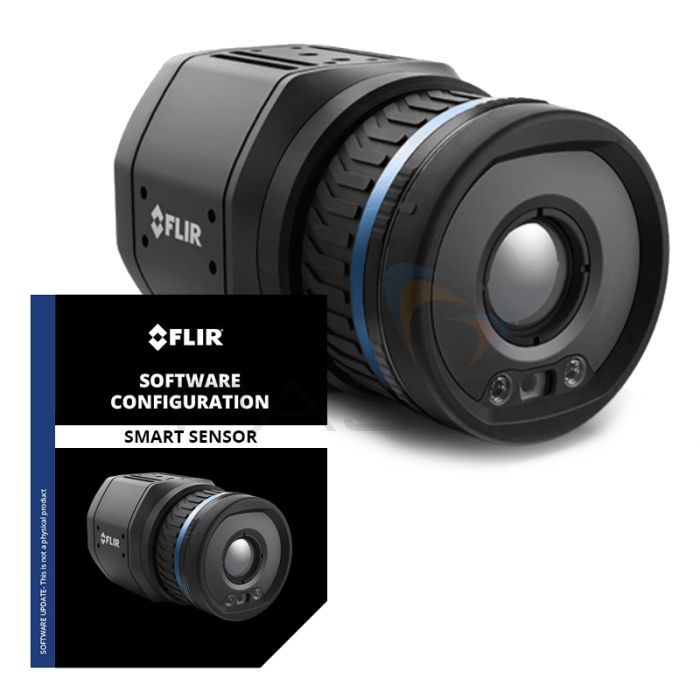
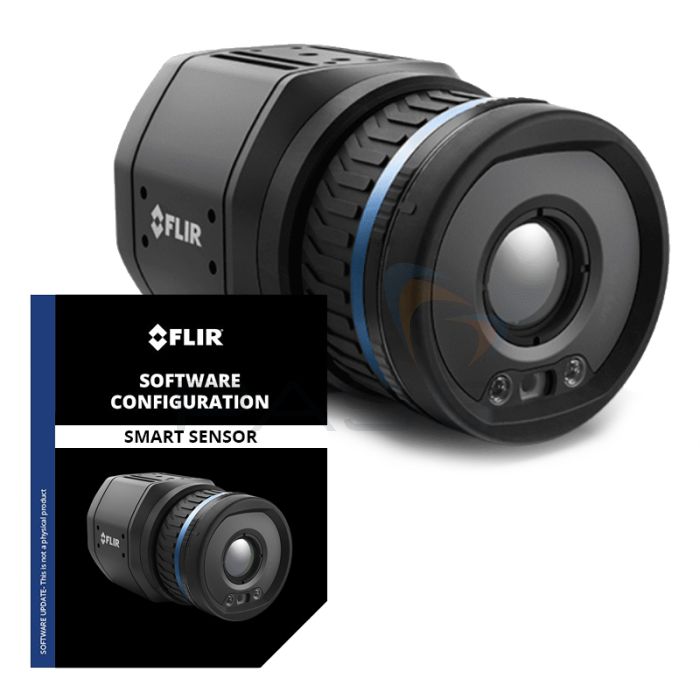 FLIR A400 Advanced Smart Sensor Automation Thermal Camera
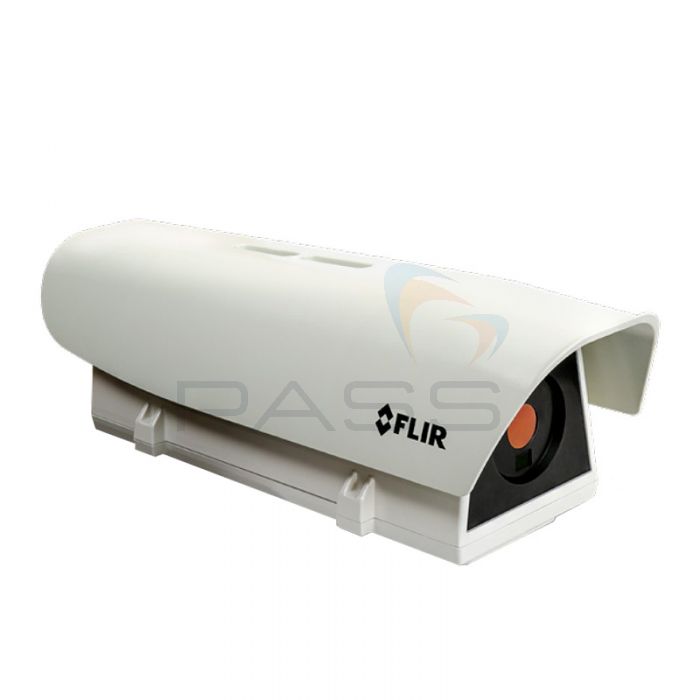
 FLIR A700 Advanced Smart Sensor Automation Thermal Camera
Further Information
To learn more about FLIR’s predictive and preventive maintenance tips for manufacturing, as well as their manufacturing advantage, access their simulator here. Alternatively, check our article or FLIR’s Summer of Safety guest blogs on the subject of avoiding downtime in manufacturing, while protecting assets and staff.
Unlocking FLIR’s Manufacturing Advantage: Transform Predictive & Preventive Maintenance
FLIR Summer of Safety: June Guest Article – Safe Plants are Profitable Plants
FLIR Summer of Safety: July Guest Article – Beyond PPE
FLIR Summer of Safety: August Guest Article – Safe Tools for Unsafe Spaces
For additional help or advice regarding FLIR’s extensive range of handheld thermal cameras, automated thermal imaging systems, and acoustic imagers, please contact our Sales team on 01642 931 329 or via our online form.
In the meantime, you can browse our eclectic range of FLIR instruments, including thermal and acoustic cameras, on our website, tester.co.uk.
Browse FLIR Thermal Automation & Machine Vision Thermal Cameras
Footnotes
[1] FLIR, Work Smarter with FLIR: The Manufacturing Advantage, last accessed 31st July 2024.
